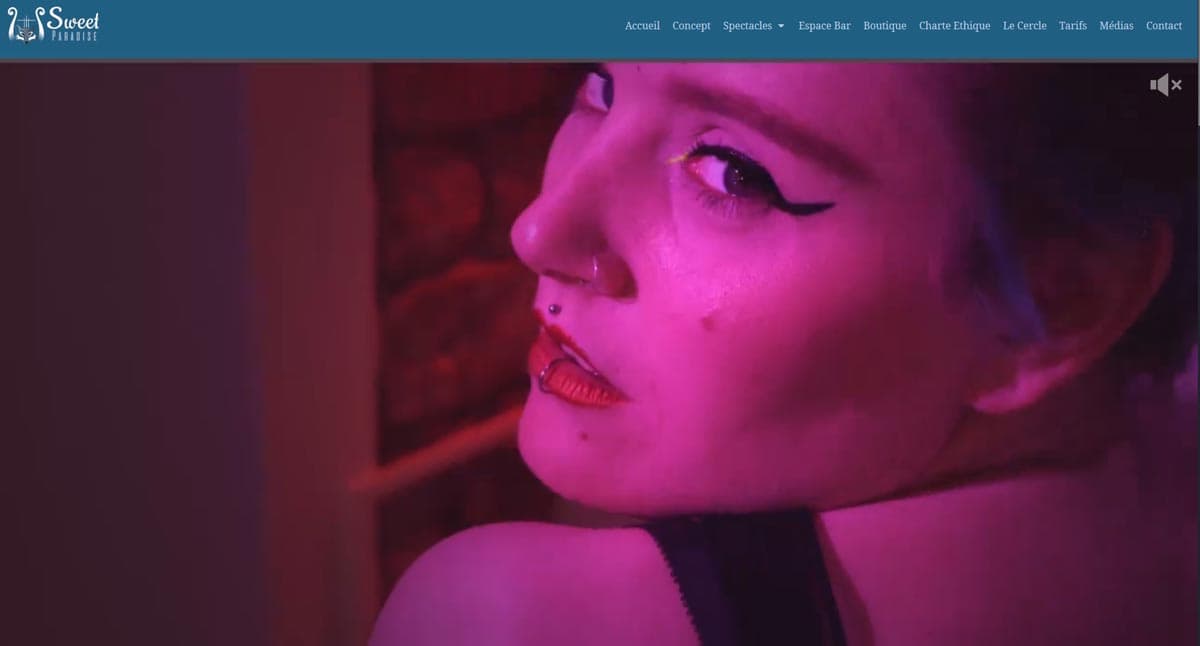
Striptease as theatrical act. Hand-crafted costumes, choreographed reveals, stage presence — the Paris burlesque scene has radiated beyond French borders since 2010. Weekly revues and annual festivals, booking essential.
Choosing burlesque shows in Paris matters. Here are criteria you can use to compare venues.
Editorial selection
Legal existence and information consistency drawn from public data.
Performer independence
Favour venues that clearly state the status and autonomy of their performers or practitioners.
Consent framework
Posted rules, safety devices present, reception staff trained on prevention.
Pricing transparency
Clearly stated prices, no hidden fees, explicit booking conditions.
Frequently asked questions
Burlesque is a form of theatrical performance combining striptease, song, comedy, dance, and performance. Born in the late 19th century, it has experienced an international renaissance since the 2000s. The goal: tell a story through body, costume, and staging.
Yes, almost always, but not always full. Nudity is the conclusion of a progressive choreography (the 'reveal'), often partial, sometimes only suggested. The classic form keeps pasties (decorative nipple covers) in place.
Burlesque has an erotic dimension that operates through theatrical performance, not explicitness. It is closer to artistic cabaret than strip clubs — the subject is the art of revelation, not sexuality itself.
Absolutely — boylesque (male burlesque) is a distinct form, very present on the contemporary scene. The Paris scene welcomes more and more male artists, drag-kings, and non-binary performers.
No — burlesque is immediately accessible. The codes (light, music, choreography) are universal. It is an excellent format for discovering adult performance without prior knowledge.
Yes — that is in fact the majority audience for Paris burlesque shows. Couples, friend groups, solo attendees — the room is generally very diverse, mixed in age and composition.